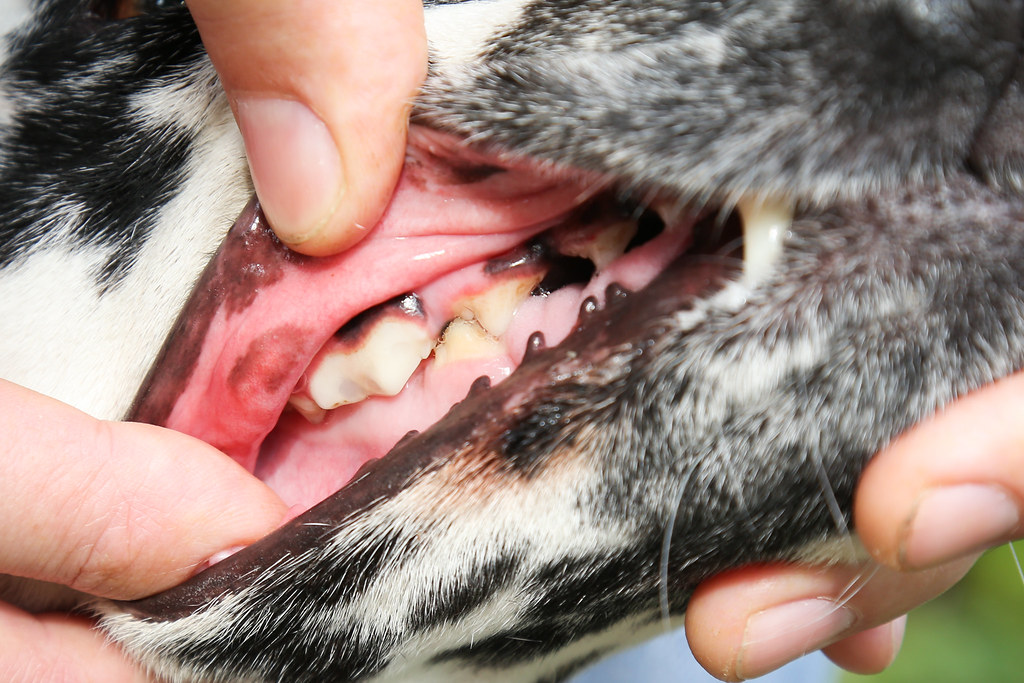
You can better manage the health of your dog if you are aware of the differences………
The color of your dog’s gums is a reliable sign of his overall health. Powdery pink is the color of healthy dog gums. Changes in this color and other typical gum characteristics, such temperature and moisture content, may indicate a problem that needs more veterinary attention.
The gums of a sick dog may be bright red, blue, black, or pale white. Non-pink dog gums may be a sign of anything from congestive heart failure to gum disease.
What Do Healthy Dog Gums Look Like?
Healthy dog gums are typically bubble gum pink in color. When you press on them with your finger, the gums should briefly turn white or pale pink and return to their normal pink color within two seconds. This response, known as capillary refill time (CRT), is an important indicator of circulation.
Additionally, healthy gums should feel wet, smooth, and slippery to the touch. They should not be dry or sticky.
Common Gum Issues in Dogs
Unhealthy gums can signal a variety of underlying problems, from dental issues to broader health concerns. Paying attention to changes in gum color, texture, or odor can help you identify potential health problems early. Prompt action can prevent further complications and ensure your dog’s oral and overall health stays in top condition.
Blue Gums
When a dog’s gums turn blue or purple, it indicates insufficient oxygen circulating in their blood. This condition, known as cyanosis, can result from various health issues, such as pneumonia, congestive heart failure, pulmonary thromboembolism, or other respiratory problems.
Diseases that interfere with proper breathing and oxygenation often lead to blue gums. While some of these conditions are unavoidable, avoiding smoking near your dog and seeking prompt veterinary care if your dog shows signs of breathing difficulty are crucial.
Pale Pink or White Gums
Pale pink or white gums in dogs are usually a sign of reduced blood flow or hemoglobin levels, often associated with anemia or acute blood loss. Anemia can result from various underlying diseases, while trauma may cause sudden and severe blood loss. When the body lacks sufficient blood, the gums lose their normal pink color.
Both anemia and acute blood loss are serious conditions that require immediate veterinary attention to address the underlying cause and prevent further complications.
Bright Red Gums
Bright red or vibrant pink gums in dogs can indicate overheating, stomatitis, or gingivitis. Overheated dogs, such as those experiencing heat stroke, often display bright red gums as they pant to regulate their body temperature. Additionally, red gums may signal inflammation or infection, which can result in bleeding and discomfort, especially in cases of periodontal issues like stomatitis or gingivitis.
To prevent red gums caused by overheating, ensure your dog stays cool and maintains a normal body temperature. For gum redness due to dental issues, consistent dental care is essential to reduce the risk of inflammation or infection.
Growths on Gums
Dogs may develop growths or tumors on their gums. Some of these growths are benign and may resolve naturally, while others can be cancerous or contagious. For example, papillomatosis is a viral disease that causes pink, fleshy warts to appear on the gums and other parts of the body. Although generally less concerning than cancerous tumors, papillomas can spread easily between dogs.
Cancerous tumors, however, pose significant health risks, including pain and difficulty eating. While exposure to dogs with papillomas can be minimized to reduce the spread of warts, there is no guaranteed way to prevent other types of gum growths or tumors.
Gum Bleeding
Dogs with stomatitis, gingivitis, and growths frequently have extremely sensitive gums that bleed easily.5. A veterinarian should examine your dog to determine the underlying reason of bleeding gums.
Regular tooth brushing and appropriate dental treatment are essential for keeping healthy gums if bleeding is occurring as a result of poor oral health.
How to Address Dog Gum Issues
Treating gum problems in dogs depends on the underlying cause. For gum issues related to respiratory conditions, urgent oxygen therapy is often necessary to stabilize the dog.
If a dog’s gums are pale pink or white due to anemia or blood loss, a blood transfusion may be required. In cases where growths are present on the gums, surgical removal might be necessary.
For bleeding or bright red gums, dental treatments such as professional cleaning, tooth extraction, medication, or cold laser therapy may be recommended to address the problem.
Lastly, If the redness is caused by overheating, cooling the dog down promptly can resolve the issue.
FAQ
Why Does My Dog Have Black Gums?
Black patches on a dog’s gums are often normal and part of their natural pigmentation. However, if the discoloration is new or accompanied by foul breath, it’s essential to consult your vet for evaluation.
What Do Dehydrated Dog Gums Look Like?
Dehydrated dog gums may appear dry, pale, or sticky. If you notice these symptoms, contact your veterinarian promptly.
Why Are My Dog’s Gums Bleeding When Brushing?
Bleeding gums during brushing can result from conditions like gingivitis or may indicate a more serious issue. To determine the cause, consult your vet for a thorough examination.