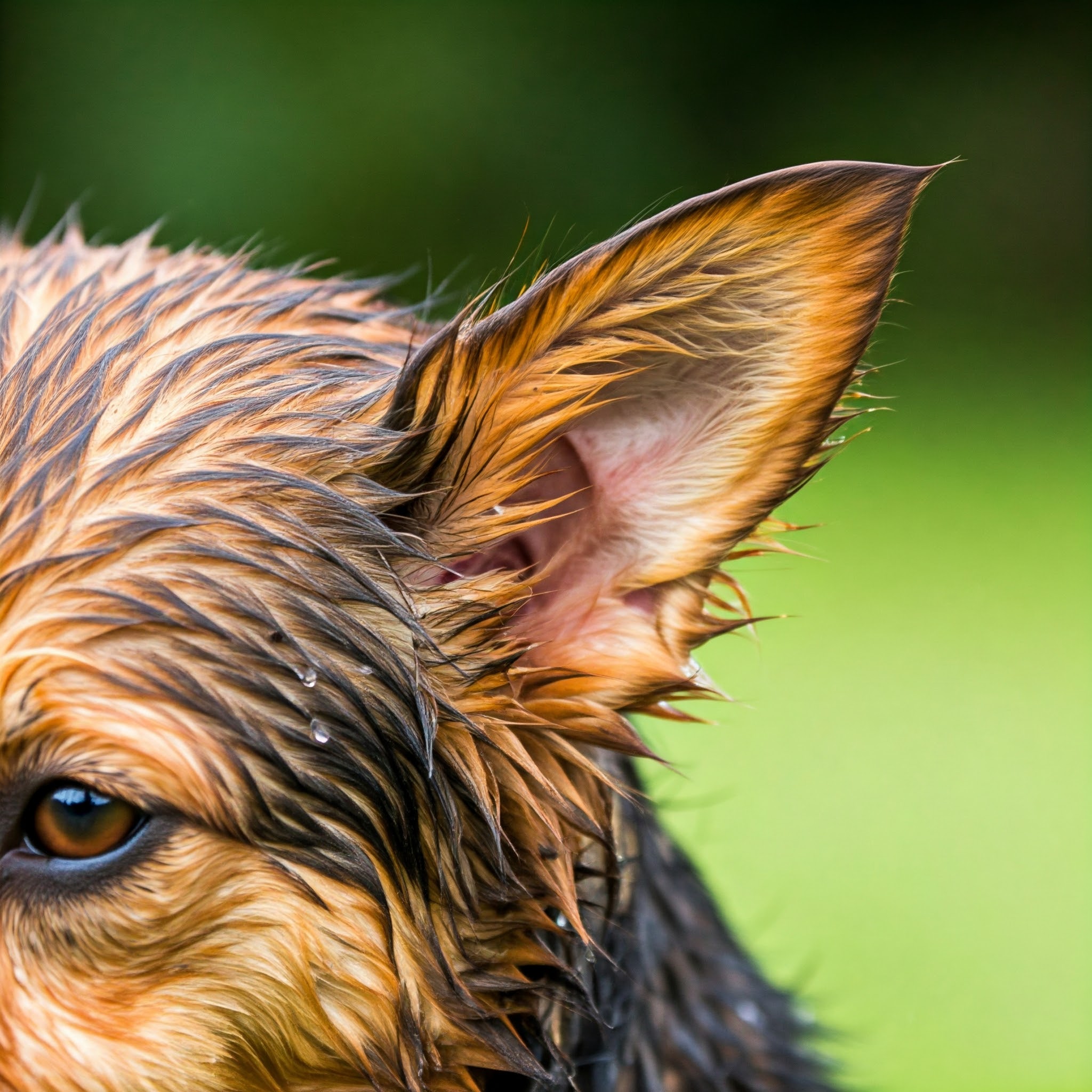
1. Normal Moisture
- Sweat or Saliva: Dogs sweat minimally through their paws and ears. Alternatively, the ear might get wet from licking, either by the dog itself or another pet.
- Environmental Factors: Water from swimming, bathing, or rainy weather might accumulate in the ear.
2. Ear Infection
- A common cause of wetness is an ear infection. Infections can lead to:
- Discharge (yellow, brown, or green fluid).
- A bad odor.
- Redness, swelling, or irritation in the ear.
- Causes include bacteria, yeast, or mites.
3. Excessive Ear Wax
- Overproduction of wax can mix with natural oils or moisture, making the ear seem wet.
4. Ear Mites
- Tiny parasites can cause irritation, leading to excessive scratching and a moist environment due to inflammation or discharge.
5. Allergies
- Allergies to food, pollen, or other irritants can result in excess moisture or inflammation in the ears.
6. Hematoma or Injury
- Trauma to the ear from scratching or shaking can cause fluids to accumulate, making it wet or swollen.
7. Foreign Object
- A foreign object stuck in the ear might trigger a wet discharge as the body reacts.
What to Do:
Observe:
- Look for additional signs like redness, odor, swelling, or the dog scratching/shaking its head.
Clean:
- Gently clean the ear with a vet-approved ear cleaner. Avoid inserting anything deep into the ear canal.
Consult a Veterinarian:
- If the wetness persists, smells bad, or is accompanied by other symptoms, visit the vet to diagnose and treat the underlying issue.
To help with a wet dog ear, you can use a dog ear cleanser to flush and rinse the ear. The cleanser contains a drying agent to help reduce moisture.
Bonus Tip
If there is a build-up of exudate and wax along with infection of the ear, epilating the excess hair and not just trimming it from the deeper ear canal is beneficial to allow more air to get deeper and help with drying and comfort.(Dr. Bruce Armstrong)
Extra Care for Dogs Prone to Ear Infections
If your dog is prone to ear infections, take additional precautions:
Use a dog ear cleanser from your vet or pet store to flush and rinse the ear, then dry it with cotton balls.
These cleansers often include drying agents that reduce moisture, helping prevent infections.
- Clean your dog’s ears regularly, especially if they love swimming, as this minimizes the risk of infections.
- Never put anything in your dog’s ear without veterinary advice. Head tilting or ear shaking could indicate an infection, which might include a perforated eardrum. Using the wrong product in such cases can cause serious harm, including deafness.
Preventing Water in Your Dog’s Ears
- During Baths: Place a cotton ball in each ear before starting.
- For Swimmers: Cotton balls may not stay in place during play and need to be carefully removed afterward.
Frequently asked questions
How can I get water out of my dog’s ears?
You can use a towel and a cotton ball to help dry your dog’s ears. You may also need to use a vet-recommended drying solution to ensure your pup’s inner ear is free of moisture.
What happens if water gets in my dog’s ears?
When water is trapped in your dog’s ears, it creates a moist environment that allows bacteria and fungi to thrive. This can lead to infections that, when severe, could even cause your pup to lose their ability to hear.
How can I tell if there’s water in my puppy’s ears?
Water in your dog’s ears can be uncomfortable and lead to painful infections. Your dog will typically show some signs they’re in distress, some of which include shaking their head, rubbing their ears against furniture or the floor, and pawing at their ears.
Can a dog get an ear infection from water?
Yes, your dog can get an ear infection from any body of water, whether that’s a pool, an ocean, a sprinkler, or even the bath.
What are the signs of ear infections in pups?
Discharge is a common sign of ear infections in dogs. Their ears and ear flaps may also be red, stinky, swollen, or crusted.
How can I get rid of my dog’s ear infection without going to the vet?
If you suspect an ear infection, you should always consult a veterinarian. Your vet will be able to figure out the cause of the infection and determine the best course of treatment. Although rare, severe ear infections can spread to other parts of your dog’s body and interfere with heart rate and breathing.
Can doggie ear infections go away on their own?
Ear infections rarely go away on their own. The longer you go without treating the infection, the worse it will get. If left untreated, your pup could eventually require surgery or even lose their hearing.
If you are looking for any pet related services do register on – pets365.in