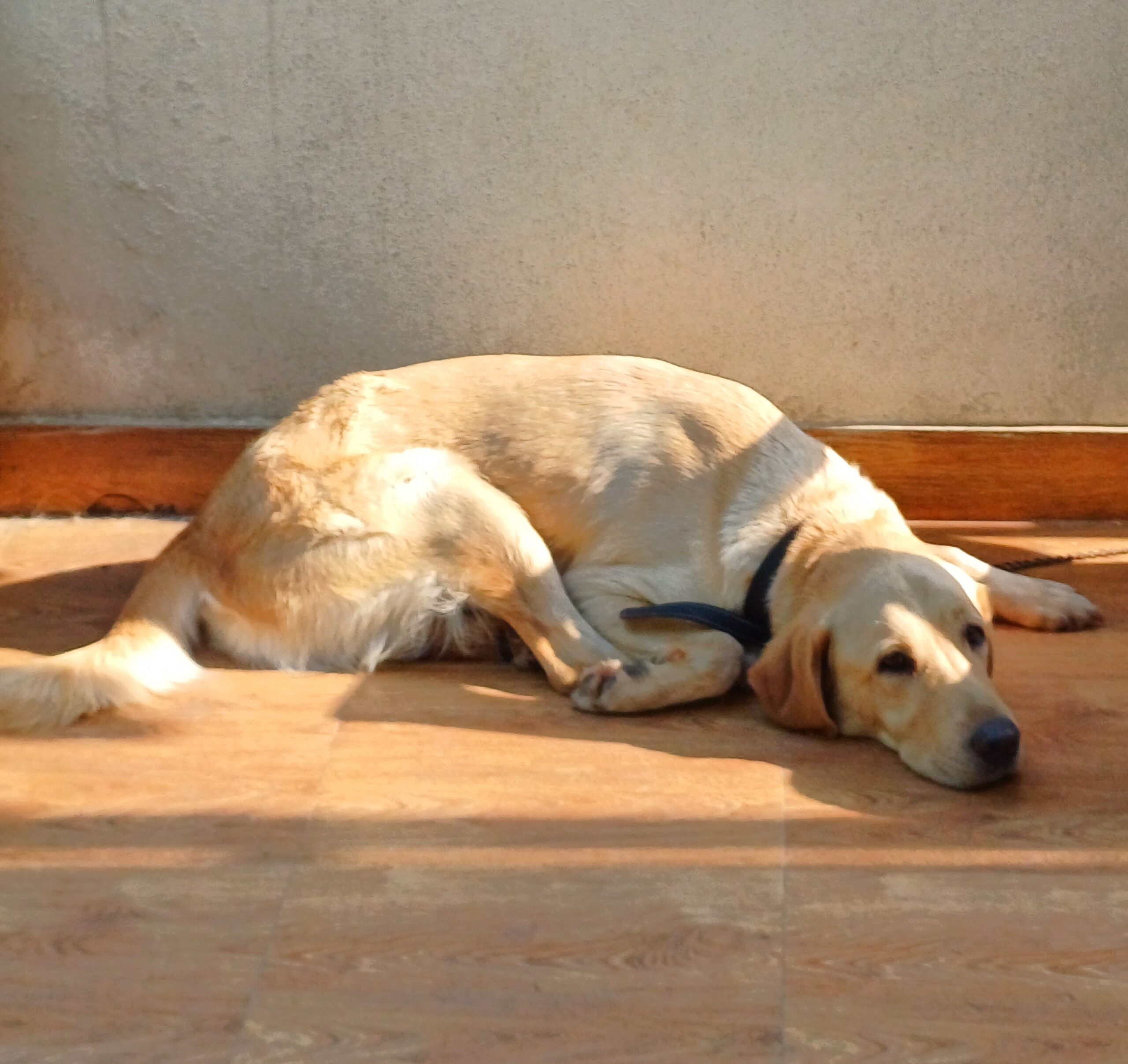
Urinary Leakage in Dogs: Causes, Symptoms, and Treatment Options
Urinary leakage, also known as urinary incontinence, is a condition that affects dogs of all breeds, sizes, and ages. While it’s more common in older or spayed female dogs, any dog can develop this issue. Urinary leakage is often distressing for both the pet and their owner, as it can lead to discomfort, hygiene problems, and challenges in managing the condition. Understanding the causes, symptoms, and treatment options is crucial for providing the best care for a dog experiencing urinary leakage.
What Is Urinary Leakage?
Urinary leakage occurs when a dog is unable to fully control their bladder, resulting in involuntary dribbling or leaking of urine. This condition can vary in severity, from occasional leaks to consistent dripping. It is essential to distinguish between urinary incontinence and behavioral urination issues, such as submissive urination or house training problems, as the causes and treatments differ significantly.
Causes of Urinary Leakage in Dogs
There are several potential causes of urinary leakage in dogs, including:
- Hormone-Responsive Incontinence
Spayed female dogs are particularly prone to hormone-responsive incontinence. The removal of ovaries during spaying results in reduced estrogen levels, which can weaken the sphincter muscles controlling the bladder. This is one of the most common causes of urinary leakage in dogs. - Urinary Tract Infections (UTIs)
UTIs can cause irritation and inflammation in the bladder, leading to frequent urination and sometimes leakage. A bacterial infection can weaken bladder control and make it challenging for the dog to hold urine. - Bladder Stones or Uroliths
Bladder stones can obstruct the urinary tract, causing irritation and involuntary leakage. These stones often develop from a buildup of minerals in the bladder. - Neurological Disorders
Conditions that affect the spinal cord or nervous system, such as intervertebral disc disease or nerve damage, can disrupt communication between the brain and bladder, resulting in urinary incontinence. - Congenital Defects
Some dogs are born with anatomical abnormalities, such as ectopic ureters, which can cause persistent urinary leakage from a young age. - Age-Related Muscle Weakness
As dogs age, the muscles controlling the bladder and urinary sphincter may weaken, leading to difficulty holding urine. - Chronic Diseases
Conditions like diabetes, Cushing’s disease, or kidney disease can contribute to excessive thirst and urination, which may overwhelm a dog’s ability to control their bladder. - Obesity
Excess weight can place pressure on the bladder, increasing the likelihood of urinary leakage.
Symptoms of Urinary Leakage
Recognizing the symptoms of urinary leakage is the first step toward seeking appropriate care. Common signs include:
- Wet Spots: Finding small puddles of urine where your dog has been lying down.
- Dribbling: Noticeable dripping of urine while your dog is walking or resting.
- Frequent Licking: Excessive licking of the genital area as a response to irritation or wetness.
- Strong Odor: A noticeable smell of urine on your dog’s fur or bedding.
- Skin Irritation: Redness or irritation around the hindquarters caused by constant moisture.
If you notice these symptoms, it is important to consult a veterinarian for a proper diagnosis.
Diagnosing Urinary Leakage
Diagnosing urinary leakage involves a thorough examination and diagnostic tests conducted by a veterinarian. Key steps include:
- Medical History
The vet will ask about your dog’s symptoms, including the frequency and severity of the leakage, as well as any underlying health conditions or recent changes in behavior. - Physical Examination
A physical exam will assess your dog’s overall health, including any signs of infection, irritation, or abnormal anatomy. - Urinalysis
A urine sample will be tested to check for infections, crystals, or other abnormalities that could indicate a UTI or bladder stones. - Imaging Tests
X-rays or ultrasounds may be used to identify structural abnormalities, stones, or tumors in the urinary tract. - Blood Tests
Blood work can help rule out systemic diseases such as diabetes or kidney disease.
Treatment Options for Urinary Leakage
The treatment for urinary leakage depends on its underlying cause. Common approaches include:
1. Medications
- Hormone Therapy: For hormone-responsive incontinence, medications like diethylstilbestrol (DES) or estrogen supplements can strengthen the urinary sphincter.
- Alpha-Adrenergic Agonists: Drugs like phenylpropanolamine (PPA) can help tighten the bladder sphincter, improving control.
- Antibiotics: If a UTI is causing the leakage, a course of antibiotics will be prescribed to resolve the infection.
2. Surgery
- Ectopic Ureters: Corrective surgery can resolve congenital issues like ectopic ureters.
- Bladder Stones: Surgery may be required to remove bladder stones causing obstruction.
3. Weight Management
For overweight dogs, a weight management plan can reduce pressure on the bladder and improve urinary control. This typically involves a combination of diet and exercise.
4. Dietary Changes
Special diets may help dissolve bladder stones or manage conditions like diabetes and kidney disease, reducing the frequency of urinary issues.
5. Supportive Care
For senior dogs or those with chronic conditions, supportive measures such as dog diapers, waterproof bedding, and frequent potty breaks can help manage symptoms and maintain quality of life.
Preventing Urinary Leakage
While some causes of urinary leakage cannot be entirely prevented, taking proactive measures can reduce the risk:
- Regular Vet Checkups
Routine veterinary visits can help detect and address potential health issues before they progress. - Proper Hydration
Ensure your dog has access to clean, fresh water at all times to maintain urinary tract health. - Maintain a Healthy Weight
Keeping your dog at a healthy weight reduces unnecessary pressure on the bladder. - Spay/Neuter Timing
Discuss the optimal timing for spaying or neutering with your vet to minimize the risk of hormone-related incontinence. - Dental and General Health Care
Good overall health, including proper dental hygiene and a balanced diet, contributes to urinary tract well-being.
When to See a Vet
If your dog shows signs of urinary leakage, it’s important to consult a veterinarian promptly. Delaying treatment can lead to complications such as skin infections, worsening urinary tract issues, and discomfort for your pet. Seek immediate veterinary care if your dog has:
- Blood in their urine
- Difficulty urinating
- Sudden, severe urinary leakage
- Signs of pain or distress
Living with a Dog Who Has Urinary Leakage
Managing a dog with urinary leakage requires patience, understanding, and a commitment to their well-being. Here are some tips to make daily life easier:
- Use dog diapers or belly bands to manage leaks and protect your home.
- Clean and dry the affected areas regularly to prevent skin irritation.
- Provide easy access to outdoor spaces for frequent potty breaks.
- Invest in waterproof bedding or mats to keep your dog comfortable.
Conclusion
Urinary leakage in dogs is a manageable condition with proper care and attention. Understanding the causes and symptoms helps in identifying the issue early, while timely veterinary intervention can improve your dog’s quality of life. Whether through medication, surgery, or lifestyle adjustments, there are effective ways to address this condition and ensure your furry friend remains happy and healthy.